Sarah Lewthwaite: The Mysterious Life and Global Notoriety of the White Widow

Introduction
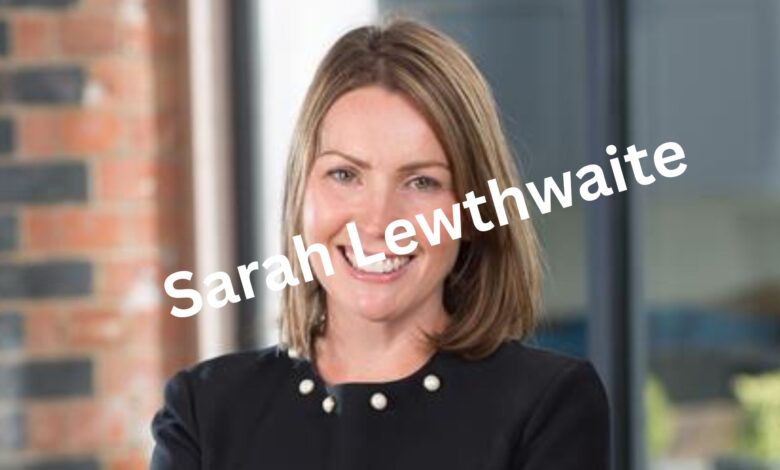
Sarah Lewthwaite is one of the most controversial and widely discussed figures linked to international terrorism in recent history. Often referred to by the media as the “White Widow,” her story has attracted global attention due to her alleged connections to extremist organizations operating in East Africa and beyond. What makes her case particularly fascinating is the dramatic contrast between her early life in the United Kingdom and the allegations that later placed her at the center of international security investigations.
Over the years, Sarah Lewthwaite has become a subject of documentaries, news reports, and academic discussions about radicalization. Her name emerged prominently following major terrorist incidents, leading authorities in several countries to investigate her possible involvement in extremist networks. Despite extensive media coverage, many details about her life remain unclear, contributing to the mystery surrounding her public image.
This article explores Sarah Lewthwaite’s background, her rise to international attention, the allegations connected to her, and the lasting impact of her story on discussions about extremism and security.
Early Life and Background
Sarah Lewthwaite was born in Northern Ireland and later grew up in England. During her childhood, she lived what many would describe as a relatively ordinary life. Reports indicate that her family moved frequently, and she spent much of her youth in different parts of the United Kingdom. Nothing in her early years appeared to suggest that she would one day become the focus of global headlines.
Like many young people, Lewthwaite navigated the challenges of adolescence while developing her personal beliefs and identity. Friends and acquaintances from her early years often described her as a normal teenager. This aspect of her story has continued to intrigue researchers and journalists because it highlights how individuals can undergo significant ideological transformations over time.
Her life took a major turn when she converted to Islam during her teenage years. Conversion itself is not unusual and is a deeply personal decision for many individuals. However, this change marked the beginning of a new chapter in her life that would eventually attract intense public scrutiny and international attention.
Marriage to Germaine Lindsay
One of the most significant developments in Sarah Lewthwaite’s life was her relationship with Germaine Lindsay. Lindsay later became known as one of the perpetrators involved in the July 7, 2005 London bombings, one of the deadliest terrorist attacks in modern British history.
The attacks shocked the United Kingdom and the wider world. Following the incident, public attention naturally turned toward the families and associates of those responsible. As Lindsay’s wife, Sarah Lewthwaite suddenly found herself under intense media observation. At the time, she publicly expressed shock and stated that she had no knowledge of her husband’s intentions.
The aftermath of the London bombings dramatically altered the course of her life. Media outlets closely followed her activities, while authorities examined potential connections between individuals associated with the attackers. Although she was initially viewed largely as the widow of one of the bombers, later allegations would place her in a far more controversial position.
The Emergence of the “White Widow” Nickname
The nickname “White Widow” became closely associated with Sarah Lewthwaite in media reports around the world. The term was used because she was the widow of Germaine Lindsay and because of allegations that she had become involved with extremist networks after his death.
Media narratives often portrayed her as a highly influential figure operating behind the scenes of terrorist organizations. These stories contributed to an image that was both sensational and controversial. The nickname itself became a powerful media label that helped shape public perceptions of her.
However, it is important to note that many aspects of the stories surrounding her were based on intelligence reports, investigations, and allegations rather than publicly proven facts. As a result, discussions about Sarah Lewthwaite often involve a mixture of confirmed information, speculation, and ongoing debate.
The widespread use of the nickname demonstrates how media coverage can influence the public understanding of complex security issues. For many people, the label became more recognizable than her actual name.
Alleged Links to Extremist Organizations
Sarah Lewthwaite gained international notoriety because of alleged connections to extremist groups operating in East Africa, particularly the organization known as Al-Shabaab.
Authorities in several countries reportedly investigated claims that she had assisted or collaborated with individuals connected to extremist activities. Reports suggested that she may have traveled through various countries in East Africa while maintaining links with members of terrorist networks. These allegations led to international arrest warrants and heightened security concerns.
Despite the seriousness of these claims, public information regarding her exact role remains limited. Intelligence investigations often involve classified information that is not fully disclosed. Consequently, much of what is known comes from media reports and statements issued by law enforcement agencies.
The uncertainty surrounding these allegations has contributed significantly to her enduring notoriety. For security experts, her case became an example of the challenges involved in tracking transnational extremist networks and understanding the roles individuals may play within them.
International Investigations and Manhunt
As allegations against Sarah Lewthwaite grew, multiple international agencies reportedly became involved in efforts to locate her. Her name appeared in numerous intelligence reports, and authorities linked her to investigations across several countries.
Media reports frequently described her as one of the world’s most wanted female terrorism suspects. This characterization generated widespread public interest and intensified efforts to determine her whereabouts. Over the years, various reports claimed she had been seen in different locations, although many of these sightings were never conclusively verified.
The international nature of the investigations highlighted the complexity of modern counterterrorism efforts. Governments increasingly cooperate across borders to monitor individuals suspected of involvement in extremist activities. Sarah Lewthwaite’s case became one of the most prominent examples of this type of international collaboration.
Despite years of investigation, questions about her location and activities have continued to fuel speculation. This uncertainty has helped keep her story in the public eye long after the initial reports emerged.
Media Coverage and Public Fascination
Few individuals associated with terrorism-related investigations have received as much media attention as Sarah Lewthwaite. Newspapers, television networks, documentaries, and online publications have extensively covered her story for years.
Part of the fascination stems from the contrast between her background and the allegations against her. Many people struggle to understand how someone raised in an ordinary environment could become linked to international extremist networks. This perceived contradiction has made her story especially compelling to audiences.
The media’s portrayal of Lewthwaite has also sparked debates about responsible journalism. Critics argue that sensational headlines can sometimes overshadow factual reporting, while supporters maintain that extensive coverage is justified given the seriousness of the allegations.
Regardless of perspective, there is little doubt that media attention played a major role in shaping public awareness of Sarah Lewthwaite and her alleged activities.
Lessons from the Sarah Lewthwaite Case
The story of Sarah Lewthwaite has broader implications beyond the individual herself. Researchers studying radicalization often examine cases like hers to better understand the factors that may influence ideological transformation and involvement in extremist networks.
Her case highlights the importance of addressing extremism through a combination of security measures, community engagement, and education. Experts frequently emphasize that preventing radicalization requires understanding social, psychological, and political influences rather than relying solely on law enforcement responses.
The international attention surrounding her also demonstrates how terrorism-related investigations can capture public imagination. High-profile cases often become symbols of larger concerns about security, identity, and global threats.
For policymakers and researchers, the lessons drawn from her story continue to inform discussions about counterterrorism strategies and the challenges of preventing extremist recruitment.
Conclusion
Sarah Lewthwaite remains one of the most enigmatic and controversial figures associated with modern terrorism investigations. From her ordinary beginnings in the United Kingdom to her emergence as the widely known “White Widow,” her story has attracted attention from governments, journalists, and researchers around the world.
Although numerous allegations have linked her to extremist organizations and international terrorist networks, many aspects of her life remain surrounded by uncertainty. This combination of mystery, media attention, and security concerns has ensured that her name continues to be discussed years after she first entered the global spotlight.
Whether viewed as a symbol of radicalization, a subject of media fascination, or a case study in international counterterrorism, Sarah Lewthwaite’s story remains a significant chapter in the broader conversation about extremism and global security.