Introduction
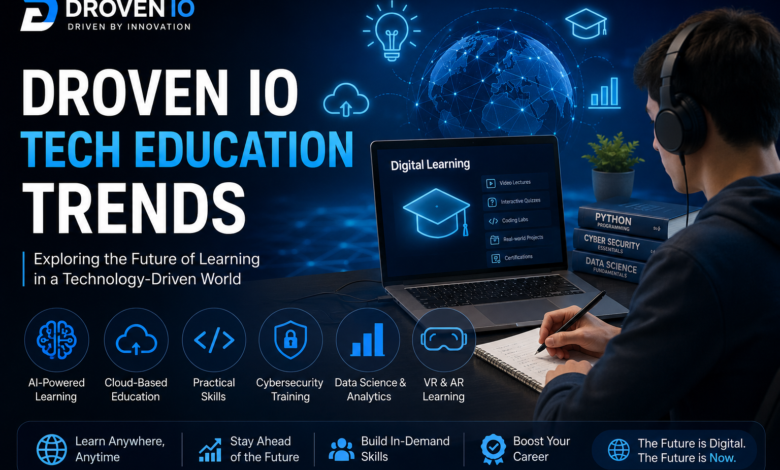
Technology has transformed nearly every aspect of modern life, and education is no exception. Droven IO Tech Education Trends Over the past few years, digital learning has evolved from being a convenient alternative into a primary method of acquiring new skills. The topic of Droven IO Tech Education Trends has become increasingly relevant because it reflects how technology continues to reshape learning experiences for students, professionals, and organizations worldwide.
The rapid advancement of artificial intelligence, cloud computing, cybersecurity, and data science has created an urgent need for continuous learning. Traditional education alone is no longer enough to prepare individuals for the changing job market. Instead, learners now seek flexible, affordable, and practical educational opportunities that keep pace with technological innovation.
This article explores the most significant Droven IO Tech Education Trends, highlighting how modern technology is influencing education, workforce development, and lifelong learning. Whether you are a student, educator, business owner, or technology enthusiast, understanding these trends can help you prepare for the future.
The Growing Importance of Technology in Education
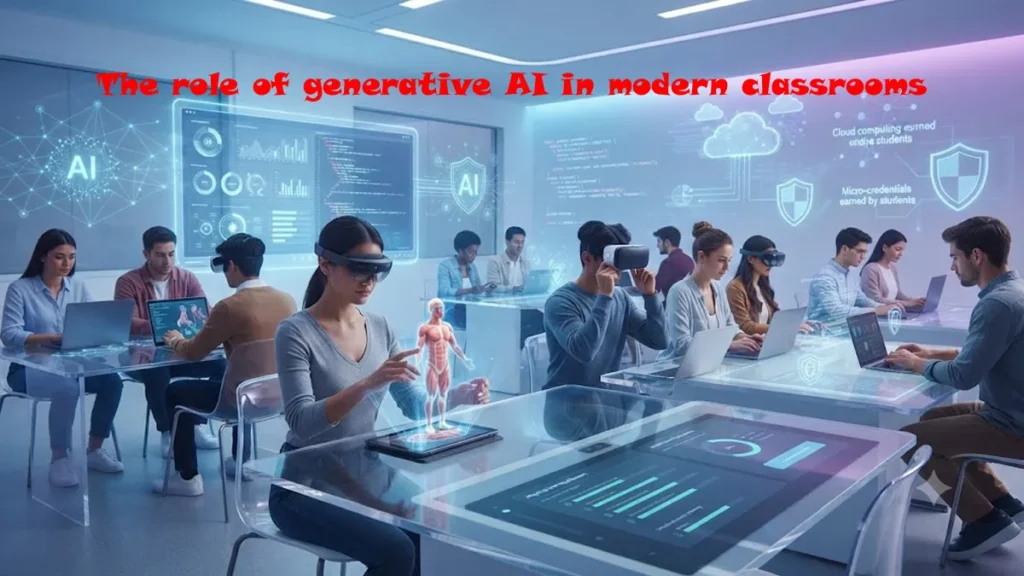
Technology has fundamentally changed how knowledge is shared and consumed. Droven IO Tech Education Trends Instead of relying solely on classrooms and textbooks, learners now access courses, tutorials, interactive labs, and virtual classrooms from virtually anywhere in the world.
One of the biggest advantages of digital education is accessibility. Students no longer need to relocate or attend expensive institutions to learn valuable technical skills. Online platforms provide affordable access to expert instructors, allowing learners to study at their own pace regardless of their geographical location.
Another major benefit is the speed at which educational content can be updated. Droven IO Tech Education Trends Since technology evolves rapidly, educational resources must remain current. Modern learning platforms continuously revise their materials, ensuring students gain knowledge that aligns with current industry standards instead of outdated information.
Artificial Intelligence Is Revolutionizing Learning
Artificial Intelligence (AI) has become one of the most influential factors driving Droven IO Tech Education Trends. AI-powered educational platforms are creating personalized learning experiences that adapt to each student’s strengths and weaknesses.
Rather than presenting identical lessons to every learner, AI analyzes progress, identifies knowledge gaps, and recommends customized study materials. This personalized approach helps students improve faster while maintaining higher engagement throughout their educational journey.
AI also assists educators by automating repetitive tasks such as grading assignments, evaluating quizzes, and tracking student performance. Teachers can spend more time mentoring students instead of handling administrative responsibilities, resulting in a more productive learning environment.
Cloud-Based Learning Is Becoming the Standard
Cloud technology has transformed education by making learning resources available anytime and anywhere. Students can access lectures, assignments, coding environments, collaborative documents, and digital libraries without depending on specific devices or locations.
Cloud-based education also improves collaboration. Students working on projects can edit files simultaneously, communicate through integrated platforms, and share ideas in real time. These collaborative experiences better prepare learners for modern workplaces where remote teamwork has become increasingly common.
Educational institutions also benefit from cloud infrastructure because it reduces hardware costs, simplifies software updates, and improves data security. Instead of maintaining expensive local servers, organizations can rely on scalable cloud solutions that grow alongside their educational needs.
Practical Skills Are Replacing Traditional Memorization
One of the most noticeable Droven IO Tech Education Trends is the growing emphasis on practical skill development. Employers increasingly value candidates who can demonstrate real-world experience instead of simply presenting academic qualifications.
Project-based learning has become a preferred educational approach because it encourages students to solve realistic problems while developing technical expertise. Coding projects, cybersecurity simulations, cloud deployments, and data analysis exercises provide valuable hands-on experience.
Digital portfolios are becoming equally important. Students now showcase completed projects, GitHub repositories, design work, and technical case studies to demonstrate their abilities. These portfolios often carry more weight during job applications than traditional examination scores alone.
Cybersecurity Education Continues to Expand
As cyber threats become more sophisticated, cybersecurity education has become a critical component of modern technology training. Organizations require skilled professionals who understand network security, ethical hacking, digital forensics, and risk management.
Educational platforms now offer specialized cybersecurity labs where students practice identifying vulnerabilities, responding to simulated attacks, and protecting digital systems. These practical environments allow learners to gain valuable experience without exposing real-world infrastructure to risk.
Awareness training is also expanding beyond technical professionals. Businesses increasingly educate employees about phishing attacks, password security, data privacy, and safe online behavior because human error remains one of the leading causes of cybersecurity incidents.
Data Science and Analytics Are Essential Skills
Data has become one of the world’s most valuable resources. Businesses rely heavily on analytics to improve decision-making, understand customer behavior, and optimize operations. Consequently, data science education has experienced tremendous growth.
Students now learn programming languages like Python and SQL alongside statistical analysis, machine learning, visualization tools, and predictive modeling. These skills enable professionals to transform raw information into meaningful business insights.
Even industries outside technology increasingly require data literacy. Marketing, healthcare, finance, manufacturing, and education all benefit from professionals who can interpret data effectively, making analytics education valuable across numerous career paths.
Microlearning Is Improving Knowledge Retention
Traditional lengthy lectures are gradually giving way to shorter, focused learning sessions known as microlearning. This educational strategy aligns better with modern attention spans while allowing learners to study during busy schedules.
Microlearning typically involves five to fifteen-minute lessons that focus on individual concepts. Learners can quickly complete lessons during breaks, commuting, or between meetings, making education far more convenient than traditional classroom schedules.
Research consistently suggests that smaller learning sessions improve long-term knowledge retention because students absorb information gradually instead of becoming overwhelmed by lengthy lectures covering multiple topics simultaneously.
Certifications Continue to Gain Industry Recognition
Professional certifications have become increasingly valuable in today’s competitive job market. Many employers recognize certifications as evidence of practical knowledge and commitment to continuous professional development.
Technology companies frequently partner with educational platforms to develop certification programs covering cloud computing, cybersecurity, artificial intelligence, networking, software development, and project management. These credentials help candidates distinguish themselves from other applicants.
While university degrees remain valuable, certifications provide faster pathways for career advancement, especially for professionals seeking to update their technical skills without returning to full-time academic study.
Virtual Reality and Augmented Reality in Education
Virtual Reality (VR) and Augmented Reality (AR) are creating immersive educational experiences that were previously impossible. These technologies enable learners to interact directly with complex concepts through realistic simulations.
Medical students can practice surgical procedures within virtual environments before working with actual patients. Engineering students can assemble digital machinery, while cybersecurity learners can safely investigate simulated attacks within controlled virtual networks.
As VR and AR hardware becomes more affordable, educational institutions are expected to integrate immersive learning into mainstream curricula, providing richer educational experiences that improve understanding and engagement.
Lifelong Learning Is Becoming the New Normal
Technology evolves rapidly, meaning professionals must continuously update their knowledge throughout their careers. Lifelong learning has shifted from being optional to becoming an essential part of long-term career success.
Many professionals dedicate time each week to completing online courses, attending webinars, reading technical articles, or earning additional certifications. This ongoing education helps individuals remain competitive as industries adopt new technologies.
Organizations increasingly encourage employee learning by offering internal training programs, education reimbursements, and access to online learning platforms. Companies recognize that investing in employee education improves productivity, innovation, and retention.
The Future of Droven IO Tech Education Trends
Looking ahead, Droven IO Tech Education Trends are expected to continue emphasizing personalization, accessibility, and practical learning. Artificial intelligence will become even more sophisticated, creating highly customized educational pathways for learners with different goals and experience levels.
Blockchain technology may also play a larger role in credential verification, allowing employers to instantly verify certifications and educational achievements. This could simplify recruitment while reducing credential fraud across industries.
Additionally, global collaboration will become increasingly common. Students from different countries will work together on international projects, gaining cross-cultural experience while developing technical expertise that reflects the interconnected nature of today’s digital economy.
Conclusion
Droven IO Tech Education Trends demonstrate that education is undergoing one of the most significant transformations in history. Digital learning, artificial intelligence, cloud computing, cybersecurity, data science, and immersive technologies are reshaping how people acquire knowledge and develop professional skills.
The future belongs to learners who embrace continuous improvement and remain adaptable in an ever-changing technological landscape. Practical experience, industry-recognized certifications, personalized learning, and lifelong education will continue to define successful careers across virtually every industry.
As technology continues to evolve, educational systems will become more flexible, interactive, and accessible than ever before. Individuals who actively engage with these emerging trends will be better equipped to thrive in the digital economy, making Droven IO Tech Education Trends an important topic for anyone interested in the future of learning and innovation.